Cessna Nose Gear Strut Assembly: Aircraft Landing Gear Support and Shock Absorption
Cessna Nose Gear Strut Assembly: Aircraft Landing Gear Support and Shock Absorption
Blog Article
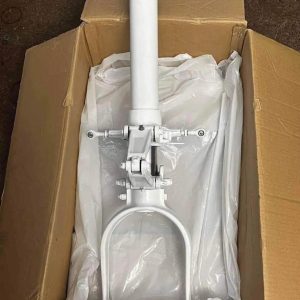
The Cessna Nose Gear Strut Assembly should be selected only after confirming the aircraft model, serial-number range, mounting arrangement, dimensions, included hardware, inspection history, and technical documentation.
The Cessna Nose Landing Gear Strut, Cessna Nose Gear Assembly, Cessna Landing Gear Strut, and Cessna Nose Strut descriptions identify closely related searches for the aircraft’s forward landing-gear structure.
Whether described as an Aircraft Nose Landing Gear Assembly or Cessna Shock Strut Assembly, the unit should be evaluated as part of the complete airframe and landing-gear system.
A Cessna Nose Wheel Strut must maintain appropriate geometry and movement for predictable ground handling.
General Aviation Landing Gear Parts listings should provide exact identification, condition, measurements, records, and included components for professional evaluation.
Identifying the Complete Nose Gear Component
Complete identification gives technicians the information needed to evaluate suitability.
Missing components can significantly affect total project cost and installation planning.
Understanding Ground Loads on the Front Gear
System-level evaluation is essential when selecting or inspecting the component.
Any evidence of previous impact should be disclosed and investigated.
Managing Landing and Taxi Impacts
A shock strut is designed to compress and extend in a controlled manner as the aircraft encounters landing and ground loads.
Excessive compression, insufficient extension, rapid rebound, leakage, sticking, or uneven movement can indicate servicing, seal, internal-surface, alignment, or load concerns.
Nose Wheel Steering and Directional Control
Loose steering components can contribute to poor directional response, uneven tire wear, shimmy, and unpredictable ground handling.
Excessive turning can damage linkage, hoses, fairings, fork components, or internal strut features depending on the design.
Matching the Strut to a Specific Cessna Aircraft
Compatibility depends on the exact Cessna model, aircraft serial-number range, landing-gear configuration, part number, modification status, wheel arrangement, steering system, and surrounding structure.
The donor aircraft may provide useful history but does not independently establish eligibility for another aircraft.
Checking Chrome and Machined Surfaces
The strut cylinder and piston surfaces should be examined for scoring, corrosion, pitting, scratches, impact marks, discoloration, and evidence of improper tool use.
The cylinder bore, piston diameter, and relevant clearances may require professional measurement.
Seal Condition and Fluid Leakage
Repeated wiping without correcting the source does not constitute proper repair.
Incorrect seal material, damaged installation tools, contaminated fluid, or improper assembly can lead to early failure.
Protecting Cessna Landing Gear Components
Corrosion may develop on external surfaces, inside bores, around fasteners, beneath paint, near mounting points, or within neglected fluid areas.
Protective coatings should be checked for chips, lifting, abrasion, bubbling, poor adhesion, and incompatible refinishing.
Evaluating a Used Cessna Nose Gear
Some defects may be difficult to identify without cleaning, magnification, dimensional comparison, or suitable nondestructive inspection.
The seller should disclose the donor aircraft’s removal reason and known incident history.
Wheel Fork, Axle, and Nose Wheel Components
Clear package information helps buyers estimate the complete repair cost.
Used hardware should not be reused automatically without applicable inspection.
Evaluating Wear and Side Play
Bushings, bolts, washers, bearings, and attachment holes should be inspected for wear, elongation, corrosion, looseness, and inadequate lubrication.
Improperly installed bushings, unsuitable bolts, missing washers, or altered holes can affect steering and strut movement.
Shimmy, Vibration, and Uneven Tire Wear
The technician should inspect the complete nose gear and steering system before selecting corrective action.
A new tire can mask but not correct underlying geometry problems.
Fluid and Pressure Maintenance
Incorrect fluid, contamination, trapped air, overpressure, or underpressure can affect extension, damping, leakage, ground clearance, and structural loading.
Repeated pressure loss should prompt leak investigation rather than continual inflation.
Evaluating Internal and External Components
The exact scope should be defined in the work records rather than assumed from the word overhauled.
Complete records strengthen the commercial value of the Cessna Replacement Nose Gear.
Buying a Cessna Nose Gear Strut Assembly
A pre-purchase review should confirm the exact part number, configuration, aircraft applicability, serial markings, dimensions, included components, removal reason, condition, repair history, and documentation.
- Determine whether the wheel, tire, bearings, spacers, steering links, hardware, servicing fittings, records, and release documents are included.
- Arrange qualified landing-gear evaluation whenever structural condition, dimensions, repair history, compatibility, or documentation remains uncertain.
- Report shipping damage, missing components, identification differences, undisclosed repairs, corrosion, leakage, or dimensional concerns promptly.
Shipping the Cessna Nose Gear Assembly
The assembly should be secured in a rigid crate or suitable container that supports its weight without loading the piston, fork, fittings, steering components, or delicate surfaces.
Pre-shipment photographs can document condition, included parts, and packaging before collection.
Maintaining Landing Gear Identification
Openings should remain protected from contamination.
Identification website records, inspection tags, hardware, seals, and supporting documents should remain associated with the correct assembly.
Installing the Cessna Front Landing Gear Assembly
Incorrect bolts, improvised spacers, damaged threads, or forced alignment should not be accepted.
Wheel alignment and steering travel should be evaluated after assembly.
Authorized personnel should complete applicable maintenance records and return-to-service actions.
Maintaining the Cessna Nose Landing Gear
Lubrication and servicing should follow the applicable maintenance schedule.
Maintenance records should identify findings, measurements, servicing, parts replaced, repairs, dates, and personnel involved.
Buying a Replacement Landing Gear Strut
Assemblies with clear photographs, complete records, transparent removal history, and identified components are easier for professional buyers to assess.
Commercial evaluation should focus on verified suitability rather than promotional claims.
Cessna Nose Gear Assembly Conclusion
For a properly matched Cessna aircraft, the assembly can support dependable ground handling when professionally inspected, serviced, installed, and maintained.
The unit should not be judged solely through clean paint, smooth compression, removed-serviceable wording, or purchase price.
Whether the assembly is purchased for maintenance, overhaul, restoration, spare inventory, resale, or an aircraft project, transparent information and qualified oversight provide the strongest foundation.
With verified identity, suitable structural condition, correct aircraft applicability, professional servicing, disciplined installation, and routine inspection, the assembly can provide dependable long-term value.
Report this page